The traditional sales playbook of cold calls and unsolicited emails is failing in a world where digital trust is paramount. Your first impression is no longer a handshake—it’s your digital presence.
With approximately 78% of B2B buyers conducting significant online research before ever engaging with a sales representative, many business owners mistakenly equate social selling with random posting or cold DMs. This approach misunderstands its fundamental purpose.

Social selling has emerged as a primary strategy for modern revenue generation; it is a disciplined, relationship-first methodology designed to build authority and credibility long before a sale is ever discussed. This complete framework will help you build a predictable and sustainable revenue engine.
Success begins with essential prerequisites for immediate credibility, is built upon four pillars of a robust strategy, and is activated with platform-specific tactics and a critical 90-day roadmap.
What Social Selling Strategy Is Not (And What It Actually Is)
To build a successful social selling program, it’s critical to first understand what it isn’t. Many businesses approach social media with flawed assumptions. This often leads to wasted effort and, in some cases, a damaged reputation.
Debunking The Random Posting Myth And Vanity Metrics
Many business leaders mistake social media activity for a social selling strategy. Sporadic posts, uncontextualized articles, or chasing “vanity metrics” like likes and follows rarely translate to revenue.
A genuine strategy is a deliberate process focused on consistent, value-driven interactions. The goal is not just to be seen, but to be seen as a credible and helpful resource.
How does your current approach compare? If your efforts aren’t tied to specific pipeline goals, you may be confusing motion with progress.
Why Cold DMing Without Context Destroys Credibility
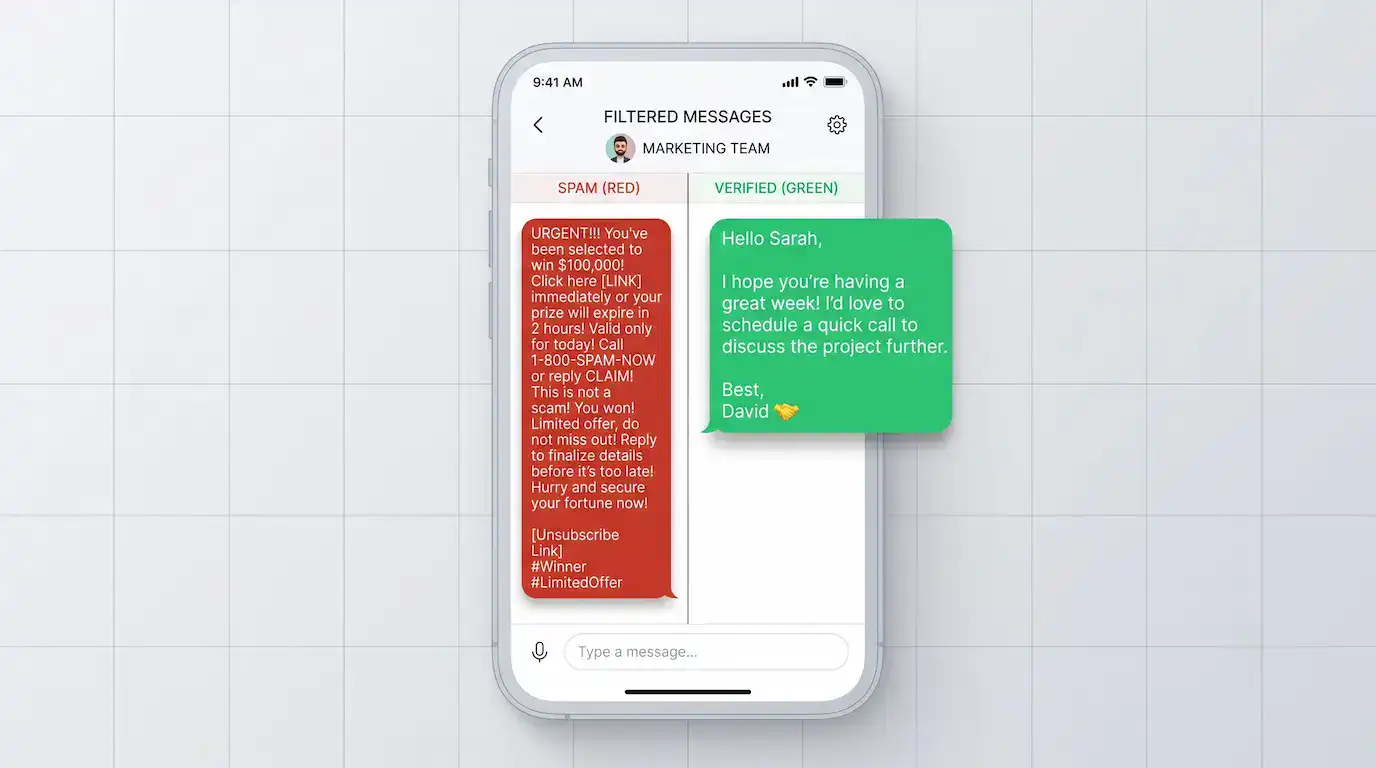
Sending an unsolicited, copy-and-paste sales pitch in a direct message is the digital equivalent of an unwelcome cold call. It bypasses the entire relationship-building process and immediately positions your brand as transactional.
This approach erodes trust before it has a chance to form. Prospects use social media to connect and learn, not to be pitched. A thoughtful social selling strategy respects this by prioritizing earning the right to a conversation rather than demanding one.
Moving Beyond Corporate Brand Content Repurposing
While your company’s marketing content is a valuable asset, simply reposting it from a personal profile is broadcasting, not selling. Effective social selling requires sales professionals to develop their own personal brand and voice.
This means adding unique insights and interpreting industry news in a way that speaks to customer challenges. It transforms a salesperson from a corporate messenger into a trusted advisor.
In fact, 92% of B2B buyers are more likely to engage with sales professionals who are seen as industry thought leaders.
The Strategic Reality: Relationship-First Revenue Generation
So, what is social selling? It is a modern lead-generation technique where sales professionals use social platforms to find, connect with, and nurture prospects.
The methodology is built on a foundation of trust. Instead of leading with a pitch, you lead with value, sharing insights, engaging in industry conversations, and helping solve problems.
This is a long-term play that delivers measurable business results.

- Find: Sales reps can use social media to find new prospects.
- Nurture: Nurtured leads produce a 20% increase in sales opportunities.
- Outperform: Sales reps who use social media outsell 78% of their peers.
This relationship-first approach is a strategic shift from hunting for transactions to cultivating relationships that naturally grow into revenue. Companies that prioritize social selling are 51% more likely to reach their sales quotas.
Prerequisites Before You Build Your Strategy
A powerful social selling strategy doesn’t happen by accident. It’s built on a solid foundation that supports every action you take.

Just as you wouldn’t construct a building on unstable ground, diving into social selling without preparing key elements often leads to disappointing results. These prerequisites ensure your efforts are strategic, efficient, and poised for success from day one.
Optimizing Profiles For Immediate Credibility And Trust Signals
Your social media profile is your digital storefront. Before you reach out to a single prospect, it must be optimized to communicate value and build immediate trust.
Think of it less like a resume and more like a resource page for your ideal customer. A prospect’s first impression is formed in seconds, making these elements critical trust signals.
- Your Headline: It should clearly state the problem you solve, not just your job title.
- Your Summary/Bio: This space should speak directly to the pain points and aspirations of your target audience.
- Your Visuals: A professional headshot and a clean banner image signal professionalism.
- Your Resources: Include links to valuable content, such as case studies or your company website.
Does your profile immediately answer a prospect’s fundamental question: “What’s in it for me?” When optimized correctly, it assures them you are a credible expert worth their time.
Defining Your Ideal Customer Profile And Buyer Personas
The most compelling message is wasted if it reaches the wrong audience. Before you can connect effectively, you must have absolute clarity on who you are trying to reach.
Defining your Ideal Customer Profile (ICP) and developing specific buyer personas is non-negotiable.
- An Ideal Customer Profile (ICP) outlines the type of company that benefits most from your solution, based on factors like industry, size, and revenue.
- Buyer Personas represent the specific people within those companies you need to influence, detailing their roles, challenges, and motivations.
This foundational work dictates every subsequent decision, from the content you create to the language you use. Without this focus, your efforts become scattered, driving up costs and reducing your return on investment.
Building A Content Library And Editorial Calendar Framework
Effective social selling is fueled by a steady stream of valuable content. Relying on last-minute inspiration is not a sustainable or scalable strategy.
A content library and an editorial calendar are the essential tools for this job.
A content library acts as a centralized repository of approved, high-quality assets that your team can draw from. This requires close alignment between sales and marketing to ensure the content is relevant and impactful for driving conversations.
An editorial calendar provides a simple framework to plan your content themes. It ensures a consistent and coherent message that establishes your authority and thought leadership over time.
Selecting Platforms Based On Audience Behavior And Intent
A common mistake is trying to be active on all the different types of social media platforms. The key is not to be everywhere, but to be everywhere your customers are.
Your choice of platforms should be a strategic decision based on audience data.
For example, research shows that while LinkedIn is a primary hub for B2B decision-makers, a B2C brand might find its audience is more visually engaged on Instagram or active in niche communities on Facebook.
By focusing your resources on the one or two platforms where your buyers are most active, you concentrate your impact. This generates a far greater return on your time and marketing spend. How does this compare to your current approach?

Your Strategy Is Only as Strong as Its Foundation
Most social selling programs fail before they start: wrong platform, vague ICP, no content plan. We build the foundation that makes every pillar work.
The Four Pillars Of Social Selling Success
A successful social selling strategy is built on a consistent framework. LinkedIn originally established these four pillars, which function as interconnected behaviors that build momentum and drive measurable results.
Consistent execution across all four areas is what separates effective social sellers from brands that are simply present on social media.
These pillars are so critical that they form the basis of LinkedIn’s Social Selling Index (SSI), a metric that measures a professional’s impact on the platform.
Professionals with high SSI scores generate 45% more opportunities and are 51% more likely to achieve their sales quotas.
Pillar One: Profile Optimization And Personal Brand Authority
Think of your social media profile as a digital storefront. It should be more than a static page; it needs to be an engaging beacon for your professional brand.
A buyer-centric approach is key. Every element, from your featured content to your listed skills, must be customized to address the challenges and goals of your ideal customer.
Research shows that 74% of Americans are more likely to trust someone with a strong personal brand. By positioning yourself as a credible and helpful resource, you establish the trust necessary for prospects to welcome your engagement.
Pillar Two: Content Creation And Thought Leadership Development
This pillar focuses on the value you share. The objective is to engage your audience with insights, not just broadcast information.
This involves a mix of sharing relevant, high-value third-party articles and engaging in social content production that highlights your unique perspective. Consistently providing value without an immediate ask positions you as a thought leader.
In fact, 92% of B2B buyers are more willing to engage with salespeople who are recognized as industry thought leaders. You become the go-to expert, so when prospects are ready to make a purchase, your name is top of mind.
Pillar Three: Proactive Engagement And Community Participation
This is where the “social” aspect of social selling truly comes alive. It’s about proactively engaging in relevant conversations and participating in communities where your prospects are active.
This is not about jumping in with a sales pitch. It is about:
- Listening to the conversation.
- Adding thoughtful comments to discussions.
- Answering questions genuinely.
- Connecting with others in an authentic way.
By becoming a helpful and recognized voice through active community management and social listening, you build authentic relationships and uncover opportunities organically.
This is the modern equivalent of effective networking, turning cold outreach into warm, context-driven conversations.
Pillar Four: Strategic Outreach And Pipeline Conversion
The final pillar is where relationship-building transitions into pipeline development. Once you have established a credible brand, shared valuable insights, and built authentic connections, your outbound engagement is no longer cold.
This pillar involves using the intelligence gathered through social listening to send personalized connection requests and messages.
The focus is on nurturing these relationships over the long term, guiding prospects with helpful resources until the time is right to introduce a business conversation.
The patient, value-first approach is what leads to higher conversion rates and stronger client partnerships. Companies that excel at lead nurturing generate 50% more sales-ready leads at a 33% lower cost.
Pillar Two Doesn’t Work Without Consistent Content
Thought leadership is what earns you the right to outreach, but producing it consistently is where most strategies stall. We keep your content engine running so your pillars hold.
Platform-Specific Strategies For Maximum Impact
A successful social selling strategy is not a one-size-fits-all template. It requires a nuanced approach shaped by where your customers spend their time and how they behave on each platform.
Every social network has its own unwritten rules, user expectations, and native features. Adapting your strategy to align with the specific environment of each network is crucial for maximizing your return on investment.
LinkedIn and Sales Navigator for B2B Decision-Makers
For most B2B companies, LinkedIn is the central hub of professional activity. Industry research and LinkedIn statistics confirm its dominance, showing that a staggering 80% of B2B social media leads are generated on the platform.
Your strategy here should be rooted in professionalism and value. It begins with an optimized profile that functions as a helpful resource, not just a digital resume.
In practical terms, this means moving beyond simple connection requests. True impact comes from a more strategic process.
- Identify and Track: Use tools like LinkedIn Sales Navigator to find key prospects and monitor their activity.
- Find Triggers: Look for engagement triggers, such as a job change, a company announcement, or a shared article.
- Reach Out with Relevance: Use these triggers to initiate contact with a personalized, relevant message that adds to their conversation.
The goal is to engage with their professional insights first, establishing common ground before ever hinting at a sale. This patient, value-driven approach is what builds the foundation for high-value business relationships.
Instagram and TikTok for Visual Storytelling and Trust Building
While LinkedIn leads in B2B, platforms like Instagram and TikTok are powerhouses for businesses that sell directly to consumers, a trend supported by recent TikTok statistics. Here, visual storytelling builds the emotional connection and trust that drive purchasing decisions.
The commercial intent is undeniable. According to Meta and various Instagram statistics, 70% of shoppers use Instagram for product discovery, making it a critical channel for growth. Your strategy shifts from professional authority to showcasing your brand’s unique personality.
Success on these platforms involves using native features to give customers a look inside your business.
- Show the Human Side: Use Instagram Stories and Reels for behind-the-scenes content that makes your brand feel approachable.
- Build Social Proof: Feature authentic customer testimonials and user-generated content.
- Provide Tangible Value: Create brief tutorials or how-to videos that solve a small problem for your audience.
By integrating native shopping tags directly into your visual content, you significantly reduce friction in the buying process. This allows users to move from inspiration to purchase seamlessly within the app, improving conversion rates.
Twitter and X for Real-Time Thought Leadership
Twitter, now X, operates as the real-time center of industry conversation. Its fast-paced nature, as highlighted in various X (Twitter) statistics, makes it an exceptional tool for social listening and establishing your expertise.
The key is not just to post your own content, but to actively participate in relevant discussions. By monitoring conversations around industry keywords and competitor mentions, you can identify buyer pain points and opportunities as they happen.
A powerful tactic involves using the platform’s advanced search to find users posting buyer-intent phrases like “any recommendations for…” or “looking for a solution to…” This allows you to enter the conversation at the exact moment a prospect needs help.
By providing a valuable answer or resource without an immediate sales pitch, you build instant credibility and position your business as a helpful expert.
Facebook Groups and Communities for Niche Engagement
As indicated by current Facebook statistics, while a public Facebook Page is a foundational piece of your presence, the real social selling opportunity often lies within niche Facebook Groups.
These dedicated communities allow you to connect with highly targeted audiences around a shared interest or professional challenge.
Participating in (or even creating) a group allows you to build meaningful relationships and establish authority in a non-promotional environment. The strategy is to become a valued community member.
- Be a Resource: Consistently answer questions from other members.
- Share Expertise: Offer exclusive insights that are genuinely helpful.
- Encourage Discussion: Ask thoughtful questions that enable productive conversations.
This community-centric approach fosters a level of trust that traditional advertising simply cannot buy.
When the time is right, these warm relationships can naturally transition into business opportunities, often driven by inbound inquiries from members who now see you as a credible authority.
Social Listening and Buyer Intent Signals
Many of your most valuable sales opportunities are already happening in public conversations on social media. A proactive strategy shifts the focus from broadcasting your message to listening to what the market is saying.
This is the essence of social listening: a systematic approach to monitoring discussions about your brand, competitors, and industry. It allows you to uncover insights that lead directly to business growth.
Think of it as the digital equivalent of walking a trade show floor. The opportunities are present, but you must be tuned in to discover them.
Setting Up Social Listening for Opportunity Identification
Effective social listening starts with a clear plan that goes beyond tracking direct mentions of your brand name. A full-featured setup monitors a wider range of valuable conversations.
This includes discussions about the specific problems your business solves and mentions of your direct competitors. It also tracks key industry terminology that signals a need.
By setting up alerts for these terms, you create a system for identifying qualified prospects in real time. Your social channels transform from marketing outlets into a rich source of market intelligence.
Recognizing Buyer Intent Signals in Digital Conversations
The real power of social listening is in recognizing buyer intent signals. These are the digital breadcrumbs that show a prospect is moving toward a purchase decision.
These cues are far more reliable than a cold lead list because they reflect a customer’s immediate needs and behaviors. Common signals include:
- Direct Questions: A user posts, “Can anyone recommend a reliable accounting software for a small business?”
- Competitor Frustrations: A prospect complains publicly about a competitor’s poor service or product limitations.
- Trigger Events: A key decision-maker announces a new role on LinkedIn, or a company shares news of its expansion.
Engaging with prospects based on these signals results in higher conversion rates than traditional outreach. Here’s why this matters: you are offering a solution at the precise moment they need one.
Leveraging Employee Advocacy for Extended Reach and Authenticity
Your team is one of your most powerful, yet often overlooked, social listening assets. Empowering them to share insights and join conversations extends your company’s reach organically.
Industry research confirms that content shared by employees earns significantly higher engagement than posts from official brand pages. This is because it carries a layer of personal credibility and authenticity.
This approach creates more opportunities for your team to find buyer intent signals within their own networks. In effect, your entire organization becomes a listening engine for new business.
Using Engagement Data to Refine Targeting and Messaging
Social listening provides value far beyond lead generation; it helps you understand what truly resonates with your audience. Think of it as an ongoing digital focus group for your brand.
By analyzing which topics and content formats drive meaningful conversations, you gather data to refine your messaging. This ensures your marketing budget is spent more effectively.
For example, if posts about a specific customer pain point perform well, that is a clear signal to develop more content on that theme. This data-driven feedback loop makes your marketing smarter and more efficient over time.
Measuring Social Selling Success and ROI
Any investment of time and resources requires a measurable return, and social selling is no different. It is possible to connect social media interactions to closed deals with a disciplined measurement framework.
The goal is to track how your social activities directly influence lead generation and contribute to revenue.
Tracking LinkedIn SSI Score and Profile Visibility Metrics
For B2B businesses, LinkedIn’s Social Selling Index (SSI) offers a built-in metric to gauge your effectiveness. This score, rated from 0 to 100, measures performance across four key pillars:
- Establishing your professional brand.
- Finding the right people.
- Engaging with insights.
- Building relationships.
While not a direct measure of revenue, a rising SSI is a strong leading indicator that your activities align with best practices. Top performers often maintain an SSI score above 75, demonstrating that their efforts to build authority are successfully attracting market attention.
Monitoring Connection Acceptance and Content Engagement Rates
Your ability to build a relevant network is a foundational Key Performance Indicator (KPI). A high connection acceptance rate confirms that your profile is optimized and your outreach is perceived as credible.
Beyond connections, you must measure how your content resonates. Monitoring engagement rates, such as clicks, comments, and shares, provides direct feedback on whether your thought leadership is providing value.
These metrics help you understand what your audience cares about, allowing you to refine your content strategy.
Attributing Pipeline Influence and Revenue to Social Activities
The ultimate goal is to connect social touchpoints to tangible sales opportunities. This involves tracking the percentage of social connections that convert into discovery calls, demos, or formal sales meetings.
When a conversation that began on social media enters your sales pipeline, it should be tagged accordingly.
Over time, you can calculate the total pipeline value influenced by social selling activities. This shifts the focus from vanity metrics to how much potential revenue your social selling efforts generated.
Integrating Social Metrics with CRM and Sales Workflows
To achieve accurate ROI measurement, integrating social data with your Customer Relationship Management (CRM) platform is essential. This creates a single source of truth, allowing you to attribute closed deals to specific social interactions.
By logging social touchpoints in your CRM, you can analyze key metrics like pipeline velocity. This connection transforms social selling into an accountable component of your revenue engine, providing the hard data needed to justify your investment.
Strategy Without Measurement Is Just Activity
Connecting social touchpoints to closed revenue requires more than a dashboard. Our ROI data analysis and reporting turn your social metrics into decisions that drive growth.
Scaling Social Selling: Enterprise Teams Versus Individual Contributors
Successfully implementing a social selling strategy is one thing. Scaling it for consistent, predictable growth presents a different set of challenges. Your approach must adapt as your business expands.
A strategy that works for a solo entrepreneur will differ significantly from the framework required for a ten-person sales team. Transitioning from individual discipline to an organizational system is a critical step for long-term success.
The results of a formalized program can be substantial. Industry benchmarks show that companies with organization-wide social selling programs report win rate increases of up to 120%, turning social media activity into a reliable revenue driver.
Building Enablement Programs and Training for Sales Organizations
For a growing team, you cannot leave success to individual talent or chance. Scaling social selling effectively requires building a formal enablement program.
This is more than a one-time training session. It is a repeatable system designed to ensure every team member can execute your strategy with confidence and consistency.
An effective enablement program typically includes:
- Standardized Coaching: Providing regular, structured feedback to refine skills.
- Clear Playbooks: Documenting best practices for prospecting, messaging, and follow-up.
- Ongoing Support: Creating a resource hub and channels for continuous learning.
This structured approach, often developed alongside expert social media consulting services, turns social selling into a fundamental competency of your sales culture. It ensures widespread adoption and makes your process scalable.
Establishing Content Governance and Brand Voice Guidelines
As more employees become active on social platforms, maintaining a consistent brand image becomes paramount. This is where content governance provides essential structure.
The goal is not to create robotic scripts. Instead, it is to provide clear guidelines on brand voice, tone, and compliance that empower your team.
Many businesses find success by creating a centralized content library, often managed by the marketing team. This gives sales professionals access to pre-approved articles, case studies, and insights.
This simple system empowers your team to share valuable content confidently while mitigating legal and reputational risks.
Solo Practitioner Strategies for Maximum Efficiency and Impact
If you are a business owner or solo sales professional, your strategy must be built around efficiency. Your focus should be on building a powerful personal brand and nurturing meaningful, one-to-one relationships.
Industry research shows that sales professionals who are active social sellers generate 45% more sales opportunities than their peers. Your success is tied directly to your expertise and the trust you build with your network.
The key is to prioritize high-impact activities rather than trying to replicate the output of a large team. Concentrate your efforts on targeted engagement in niche communities and sharing insights that demonstrate your unique value. How does this compare to your current approach?
Cross-Functional Alignment Between Sales and Marketing Teams
Social selling is most powerful when it is not confined to the sales department. True scaling requires strong alignment between your sales and marketing teams.
Think of it this way: marketing creates the high-value content that serves as fuel. The sales team then uses that fuel to power the engine of conversation and relationship-building.
When both teams share goals, insights, and data, ideally through an integrated CRM, the entire revenue process becomes more streamlined and unified. This alignment improves operational efficiency and creates a seamless, trustworthy experience for the buyer.
Ready to Turn Strategy Into a Revenue System?
Interested in a free custom proposal? Fill out this form to connect with a member of our expert team.
The 90-Day Social Selling Activation Roadmap

Understanding social selling principles is the first step. However, consistent execution is what truly drives revenue. A structured plan prevents overwhelm and turns strategy into a daily habit.
The 90-day activation roadmap offers a practical framework, designed to align with a standard business quarter and systematically build your social selling engine. This isn’t a short-term sprint; it’s about installing a long-term system for predictable growth.
Days 1-30: Foundation Setting and Profile Optimization
The first month is dedicated to building a strong foundation. Before you can effectively connect with prospects, your digital presence must signal immediate credibility and expertise.
Think of this as preparing your physical storefront before opening for business. A polished, professional profile is non-negotiable for making a strong first impression.
During this period, your primary focus is to thoughtfully optimize your social media profiles, especially on platforms like LinkedIn. Key actions include:
- Crafting a compelling, client-facing headline that clearly states your value.
- Writing a summary that speaks directly to your ideal customer’s challenges and goals.
- Ensuring every profile section reinforces your authority and experience.
- Finalizing your Ideal Customer Profile (ICP) to guide all future activity.
- Establishing baseline KPIs, such as your LinkedIn Social Selling Index (SSI) score and profile view trends, to measure progress.
Days 31-60: Content Consistency and Engagement Acceleration
With a solid foundation in place, the second month shifts from setup to proactive engagement. This phase is about building visibility and establishing a routine. The goal is to become a familiar, trusted voice within your target audience’s digital circles.
Many businesses find that dedicating just 15 to 30 minutes each day to social selling activities yields significant results. A consistent daily routine is crucial for building the social capital—the trust and goodwill—required for effective outreach.
In practical terms, your daily activities should include:
- Sharing valuable industry insights that help your audience solve problems.
- Interacting thoughtfully with posts from key prospects and decision-makers.
- Participating in relevant industry groups to demonstrate expertise and listen to customer conversations.
Days 61-90: Conversion Optimization and Relationship Deepening
The final 30 days focus on converting the credibility you’ve built into tangible business opportunities. After two months of providing value, you have established the context to initiate more direct conversations.
The focus here is on strategic, personalized outreach.
This involves transitioning warm online interactions, like a series of comments on a prospect’s post, into a private message or a formal meeting request. This outreach is no longer “cold,” it is contextual and built on a pre-existing, positive relationship.
During this phase, you will closely monitor metrics that directly impact your sales funnel. Tracking connection acceptance rates and the number of conversations that move from social channels into your formal sales pipeline will show you what’s working.
Beyond Day 90: Maintaining Momentum and Long-Term Habits
The 90-day roadmap is not a finish line. It is the formation of a new set of habits that becomes essential to your sales process.
The activities established in the first three months should now be a natural part of your workflow. The focus shifts from initial activation to continuous refinement and optimization, ensuring the system remains effective.
Long-term success in social selling comes from maintaining this momentum. Continue to block out time for daily engagement, refresh your profile to reflect new achievements, and analyze your metrics to understand what resonates with your audience.
This ongoing commitment ensures your pipeline remains full and your professional brand continues to grow in influence.
Frequently Asked Questions
Conclusion
Ultimately, a successful social selling strategy is not built on quick pitches. It is built on the consistent delivery of value over time, which creates the authentic relationships and credibility that drive modern sales.
Here’s why this matters for your business right now:
- Your buyers are already here: Research shows 75% of B2B buyers use social media to vet vendors and make purchasing decisions. Your customers expect to find you and learn from you on these platforms.
- The results are clear: Salespeople who actively engage in social selling outperform their peers by 78%. This isn’t a small advantage; it’s a significant performance gap that highlights the effectiveness of a structured social media strategy.
Every day your business waits to implement a formal strategy, your competitors are building the relationships that should have been yours. In a market that has already evolved, delaying any longer is a direct competitive disadvantage. The time to begin laying your foundation is now.